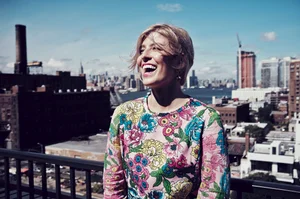
We’re all gonna die
*CW: trauma, death
That’s the sentiment that got me thinking about The Beholder. Like many of you reading this, I grew up in the 80s and 90s, a time fraught with diet culture, fitness as punishment, and stark binaries between “pretty” and “ugly.” I’ve spent half of my life unwrapping and examining harmful narratives about beauty standards, body image, and food psychology in an attempt to heal myself. But before we get to now, I have to tell you about how I got here.
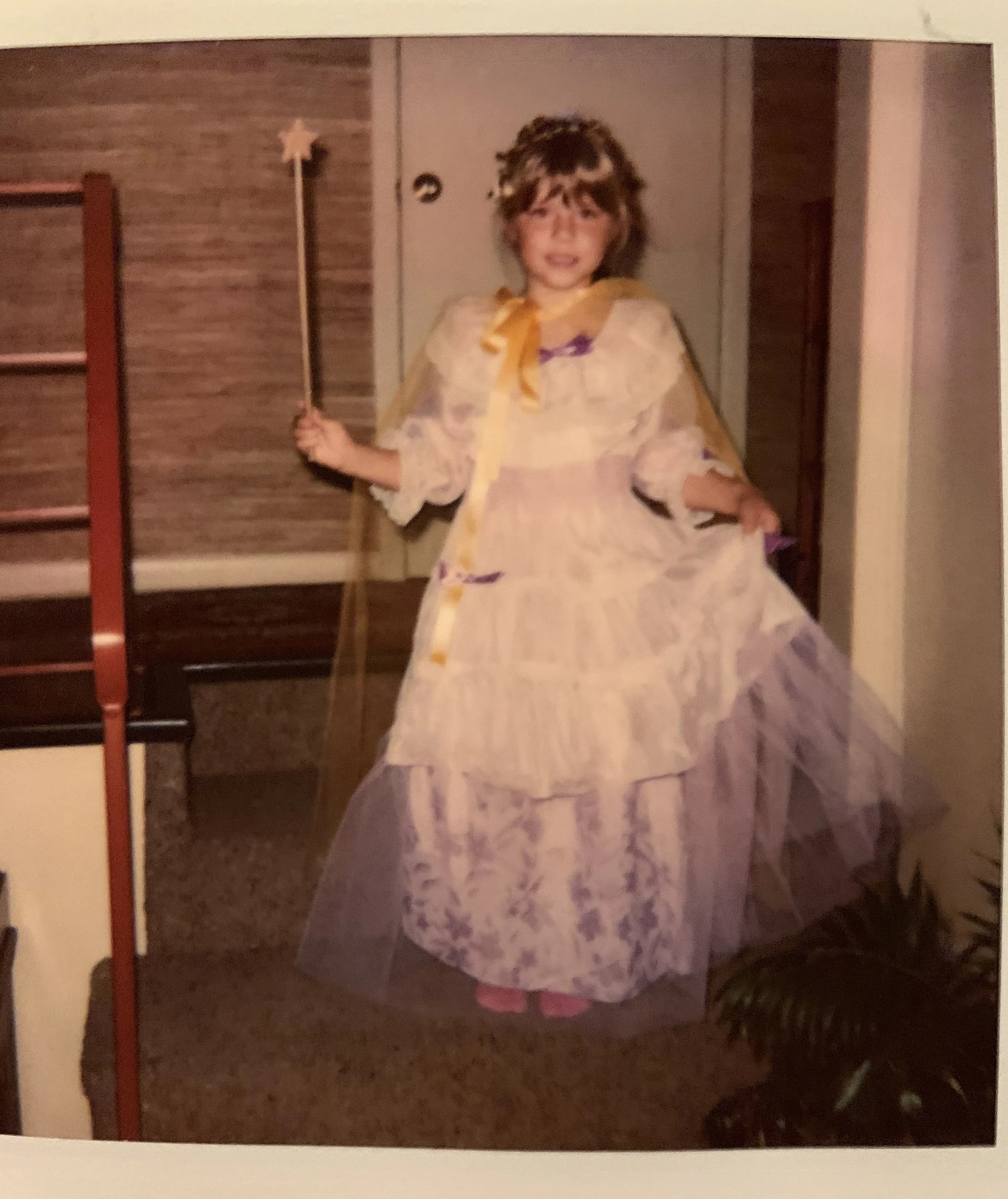
A young me
I grew up in Mississippi in a family of strong Lebanese women. Plus, my Irish/Dutch grandmother who married into that loud, kibbe-loving Lebanese family. My mother was a brunette, olive-skinned woman coming of age in a world of Christie Brinkley beauties. Mahogany-haired bombshells like Sofia Loren, Isabella Rosselini, and Mississippi’s own Miss America, Mary Ann Mobley, were her beauty idols. As a native Mississippian, my mother prided herself in a pulled-together appearance. She was well dressed and well kempt, even as a young mother.
Her obsession with beauty, which came to her by way of my Lebanese aunts, rubbed off on me like chalk to jeans. My Aunt Sybil and Aunt Spieler, with their expertly coiffed hairstyles, gauzy kaftans, and chiming gold bracelets, pushed their creams and oils on me for as long as I can remember. Even as an awkward middle schooler, when I looked much more like Augustus Gloop than the Hollywood icons my mother adored, they fawned over me. Sharing their skin care routines was a way of showing love. It was my family’s portal to power, confidence, and acceptance. Beauty was our holy trinity.
I went on to become a fashion copywriter, then a freelance beauty writer, then the copy director at Vogue, where there was a certain expectation about one’s appearance. I currently cover beauty, beauty tech, women’s health, and more for a couple of editorial sites. I am my family’s beauty czar, always happy to share the most effective products, from lymphatic drainage devices and neck-firming creams to boar-bristle brushes and microfiber hair towels. Beauty has always been my hobby. Then it became something more.

Condé Nast bathroom selfies were very 2010s
On February 7, 2024, just nine days after giving birth to my second child, my mother had a cardiac arrhythmia in the guest room of my home. I had just been with her. I said, “I love you, goodnight. See you in the morning.” I kissed her. A few minutes later I found her body on the guest room floor. She was revived by EMS, but died 33 days later. I don’t need to tell you that this kind of trauma will change a person.
With only a few weeks left in my maternity leave, I threw myself into my writing and motherhood. I muscled through each day, trying not to crumple like tissue paper. I could not afford to disappear from my children, my means of income, my health, and my responsibilities.
I tried to be gentle with myself, but I needed a respite. So I chose an obsession I was rather familiar with: A daily beauty regimen. Wash, tone, prep, moisturize, protect. Repeat. Beauty was not only a connection to the women in my life, but it was also my tie to home. A direct line to my mother.
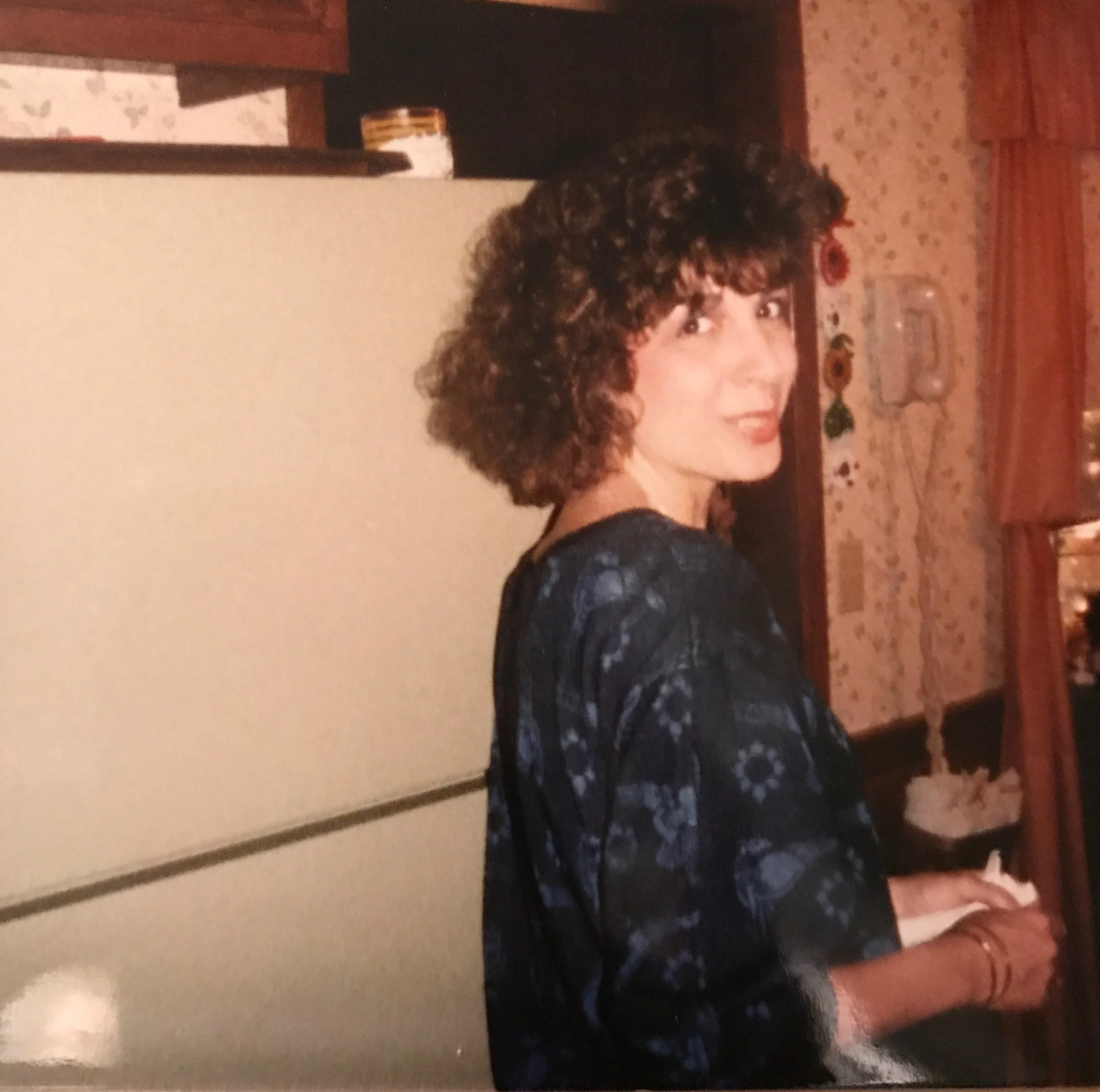
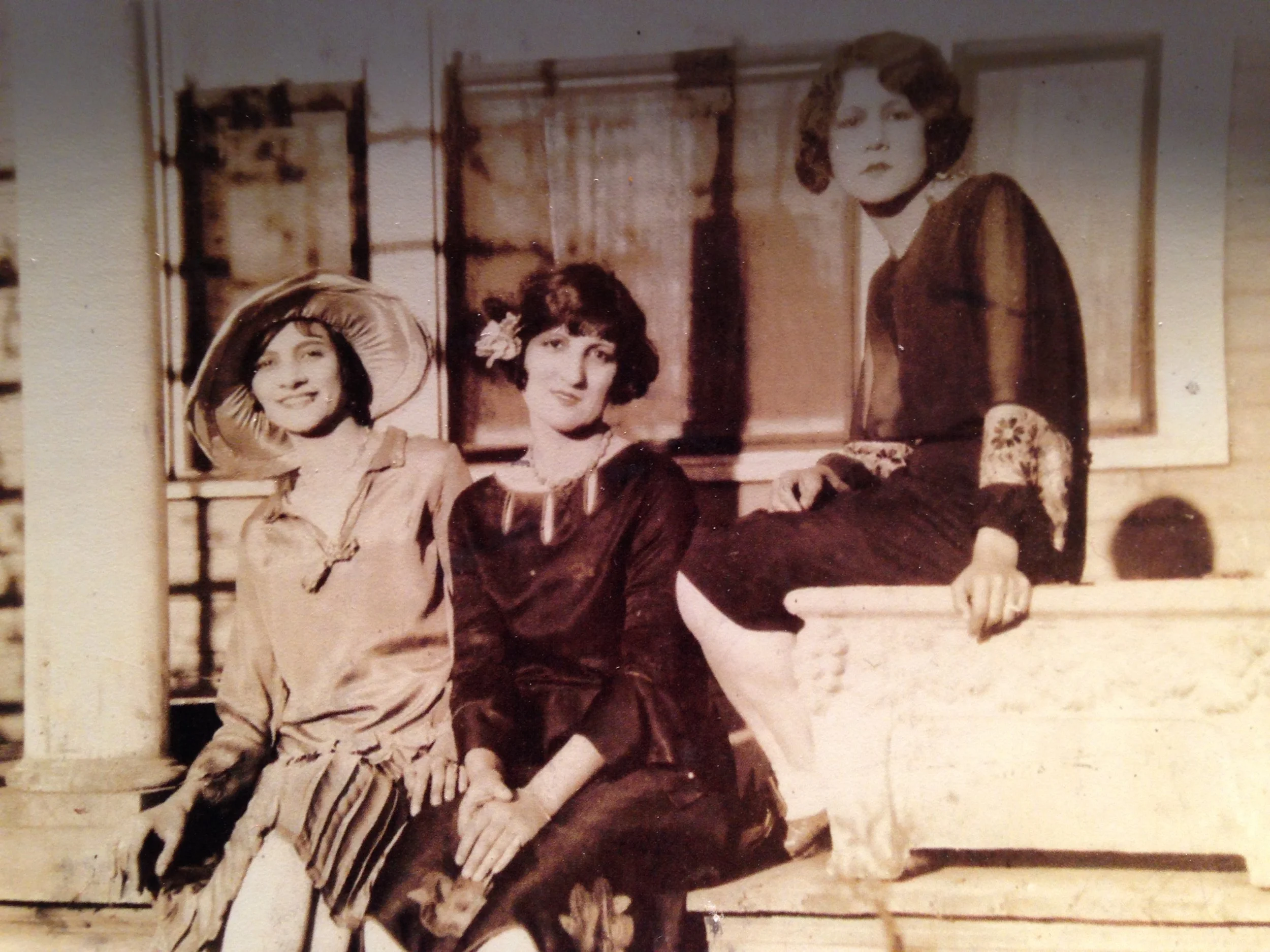
Left: Mom in the 80s | Right: Some of my Lebanese aunts at home in Mississippi
I have side-hustled in beauty editorial for nearly 20 years. I wrote blogs in the early 2000’s era of Style Rookie, Daily Candy, and a vintage Refinery29. I’ve seen enough trends come and go; I’ve tried enough product to know what’s worth the hype. I’m a marketing copywriter. I write the hype. But this background has also given me the insight to look for the clinical studies, to read the ingredient lists, and to never take a brand at their word. Nothing works for everyone; there is no quick fix; do your research; what makes you happy?
Which leads me to now, where we’re being overwhelmed and overinfluenced by an oversaturated beauty market. In a time of constant reflection—literally: Most of us are on FaceTime, Zoom, or social media looking back at ourselves for half of the day—I want to go online and find a corner of the Internet where I’m not being told what I should or shouldn’t do to my body, face, and hair. So I’m creating one.
The Beholder is a safe space were we can find perspective. A place to remind people that we’re all human, likely hearing similar narratives about beauty standards—but with different personal and cultural expectations. Hopefully it’s a place where we can show each other some compassion. A space for education and curiosity, where you’re allowed to come as you are, as long as you’re coming with an open mind.
Of course I’ll share some product recomendations, personal stories, and more. (I’m not above vanity!). But the purpose of The Beholder is not to convince you to buy more shit. It’s to inspire curiosity, get educated on our options, and celebrate doing our best, whatever that looks like to you. The only opinion that matters is yours.
My dad used to always say, “The only thing in life you can count on is change.” Then one day this evolved into “The only thing in life you can count on is dying.” I used to hate this, that he’d made such a morose edit. It felt as if life had beaten him into submission. But now that I have sat with death, certain of its steady existence despite my best efforts, I understand.
If we’re lucky, we get to wake up every day and love ourselves. We have an opportunity to grasp at this full, expansive life, to find joy, and to make something beautiful with our time. And we should make it count. After all, you can’t take it with you.
*parts of this piece were originally published in CNET Perspectives